In 2025, Bruce Springsteen delivered not one straightforward new album but a wave of releases that together feel like a grand reflection on his forty-plus-year journey. Earlier this year in June he released “Tracks II: The Lost Albums”. On October 24th he released another one, “Nebraska’ 82: Expanded Edition”. This album shows an artist still chasing the spirit of rock and roll.
The standout for many listeners will likely be “Electric Nebraska”, the long-mythologized alternate version of his 1982 acoustic classic. Instead of stark tape recordings, we finally hear what those same songs sound like when plugged in full band arrangements that hum with tension and raw electricity. “Atlantic City” growls with a gritty rhythm section, “Mansion on the Hill” turns mournful yet grand, and “State Trooper” becomes a dark, pulsing road anthem. While purists will always defend the minimalist brilliance of the original “Nebraska”, this electric counterpart reveals another side of Springsteen’s vision: the full cinematic sound he was both chasing and resisting at the time.
For new listeners, this edition offers an entry point into a side of Springsteen they may not know – not the rock legend, but the storyteller with a four track recorder and a restless heart. For longtime fans, it’s a rare chance to see one of rock’s most iconic albums from the inside out.
What’s striking is how timeless it all feels. The struggles and emotions running through “Nebraska” still echo today quiet, human, and uncomfortably familiar. Springsteen doesn’t tell listeners what to think or feel; he just leaves space for them to listen.
From the first track, the newly remastered “Nebraska,” it’s clear how fresh this music remains. The remastered sound gives the song a quiet clarity that makes it even more powerful. Springsteen’s voice carries a worn patience, and the stripped down production leaves space for the listener to sit with its unease. It’s the kind of song that draws you in slowly, not with volume or speed, but with a stillness that’s hard to shake.
Then comes “Mansion on the Hill,” a slow, melancholy meditation on class and distance. The expanded edition includes both the home demo version and an unreleased full band take. The E Street Band’s version adds warm organ and soft percussion, turning it into a wistful ballad. But even that fuller sound can’t match the emotional punch of the stripped down original, where you can practically hear the silence between every chord.
“Johnny 99” and “Open All Night” bring some rhythmic relief, but even these faster songs keep their edge. “Johnny 99,” about a laid off worker who turns to violence, hits harder in this cleaned-up mix: the raw guitar stings like a blues lament.
“Open All Night” in the electric version sounds like a rockabilly fever dream, full of speed and headlights. It’s thrilling to finally hear what the E Street Band brought to it before Springsteen shelved those sessions.
The middle of the album “Highway Patrolman” and “State Trooper” remains its moral center. These two songs, back to back, are still devastating. “Highway Patrolman” tells of a cop who lets his fugitive brother go, sung with weary resignation. The remastered sound makes the acoustic strumming and harmonica feel like heartbeat and breath. “State Trooper,” built on nothing but a droning chord and ghostly yelp, is pure tension, a desperate prayer on an empty highway.
The second half offers a few lesser known gems in the expanded set. “Losin’ Kind” and “Child Bride,” both early drafts of Nebraska’s themes, expand the album’s world of ordinary people pushed to the edge. “Pink Cadillac” makes a brief appearance too. Then Born in the U.S.A. energy comes at the end a more well known song compared to the others. But next to the stark power of Nebraska’s core tracks, these outtakes feel like postcards from a different road trip.
In the end, “Nebraska ’82: Expanded Edition” stands as both a restoration and a revelation. It doesn’t try to modernize what made the original so great instead, it honors that raw, quiet honesty that first set it apart. Every addition, from the remastering to the long hidden sessions, deepens the album’s sense of purpose without disturbing its stillness. What emerges is more than a remade classic; it’s a portrait of an artist who trusted silence over spectacle and truth over perfection. More than forty years later, “Nebraska” is still a good song to listen to. Overall, I would give this album a four out of five star rating.
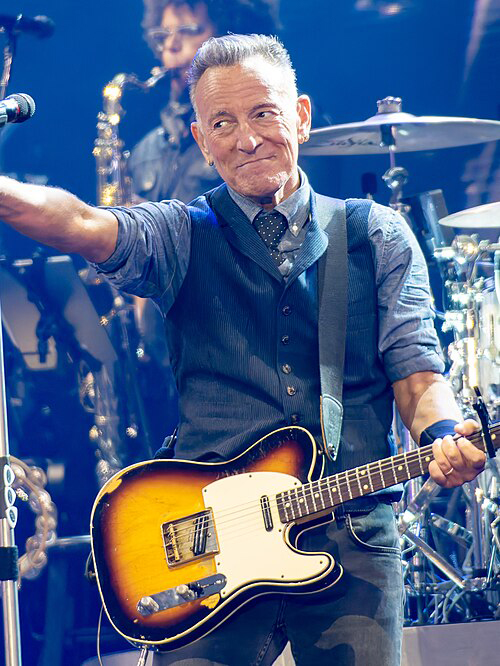
Bruce Springsteen new album debuts old classic style.