On October 26, Mumford and Sons brought their much-anticipated “Rushmere” tour to the CHI Health Center Omaha in Omaha, Nebraska – delivering a performance that blended the band’s new folk-rooted material with beloved anthems from their past. I had the opportunity to attend this concert with my good friends, Kate VanDerWerff and Norah Beekhuizen.
The band’s arrival in Omaha came at a pivotal moment. Their latest album, Rushmere, marks their return to folk-inflected roots after a hiatus and lineup changes. The opening song, “Run Together”, immediately set the tone for a show that was both reflective and energized. The lyrics and the feel of the song brought a fresh feeling to the band’s well-known songs, such as “I Will Wait” and “Little Lion Man”, while providing a beautiful juxtaposition between the old and new songs.
One of the standout moments of this concert was the B-stage segment. The band moved from their main platform at the front of the arena, into the heart of the arena to deliver acoustic treatments of songs like “Ghosts That We Knew” and “If I Needed You”. This intimate break offered a breather amid the more raucous moments and connected the audience directly to the performance. While at the smaller platform, the band also performed a song with singer/songwriter Sierra Ferrell, known for her Grammy-winning singles in bluegrass, folk, and jazz. Ferrell was also the opening act of the night and did a lovely job of getting the crowd ready for a night full of high-energy, yet lyrically rich songs.
The CHI Health Center provides a sprawling arena setting, yet Mumford & Sons managed to generate a sense of intimacy despite the scale. The floor seats erupted in unified claps and sing-along choruses, particularly during tracks like “Lover of the Light” and “Awake My Soul”. The mid- show acoustic break allowed the arena to quiet down and focus in — a testament to the band’s ability to command both the subtle and the grand. One example of this is when the lead singer, Marcus Mumford was sprinting through the crowd, climbing into the upper tiers and engaging fans in a spontaneous, high-energy run through the arena. Meanwhile, the set wrapped with “The Wolf” before returning for an encore featuring a stripped-down rendition of “Timshel”. This was done around a single microphone.
Production-wise, the tour leaned into the band’s roots with banjo, acoustic guitar, and vocal harmonies central in the mix, especially during new tracks. The lighting pivoted between warm, rustic hues during the quieter songs to strobing white and amber during the punchier, drum-heavy numbers. While the band didn’t lean heavily into multimedia theatrics, the performance felt polished and emotionally earnest.
For long-time fans of Mumford & Sons, the Omaha show delivered on many levels: The timeless fan-favorites, the new songs that didn’t feel like afterthoughts, and the band’s evident joy in being back on the road. For younger or newer audience members, it offered a gateway into the band’s evolution – how they’ve grown while staying true to their musical identity.
Given the set-list and the energy, the Omaha stop stands as both a highlight of the tour thus far and a promising indication of what’s next from the band. Whether they remain in arenas, scale back to more intimate venues, or experiment further, the connection forged in this show suggests their fan base is ready for whatever comes next.
In the heart of Nebraska, on a brisk autumn evening, Mumford & Sons reminded their audience that great live music transcends geography. The show was a little bit nostalgia-trip, a little bit forward-looking, and wholly heartfelt. For anyone who attended, it will likely linger as one of those concerts that “felt like a moment.” If you didn’t make it to Omaha, the good news is the tour continues, and this performance suggests they’re hitting their stride.
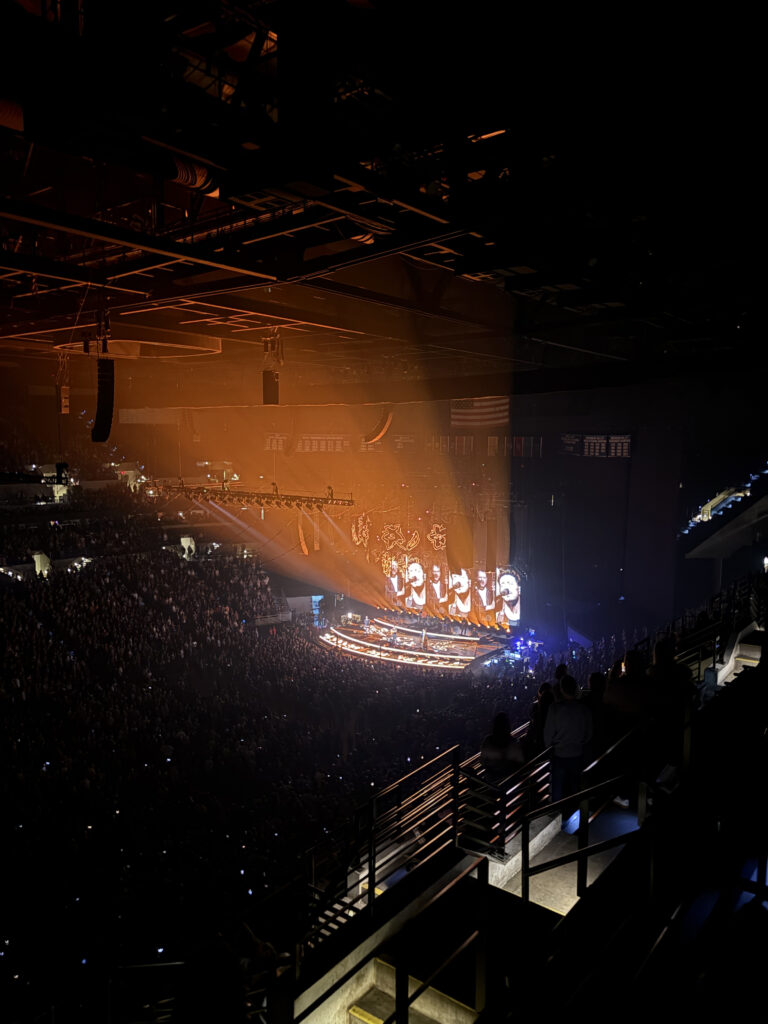
Mumford and Sons concert in Omaha.