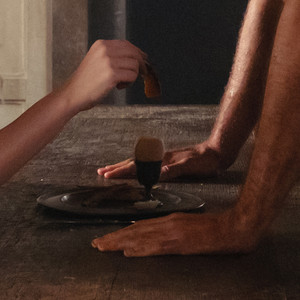
The 2026 release of “Wuthering Heights” brings Emily Brontë’s timeless tale to new audiences, but it’s the film’s soundtrack that’s capturing the attention of music fans. Released at the same time as the film, the score fuses modern pop sensibilities with a brooding gothic flare, setting the tone for a story of obsession, resentment, and generational trauma.
What really sets this soundtrack apart is its fresh, contemporary approach. The composers rely on sparse instrumentation, deep drones, and slow, measured rhythms to create a lingering sense of unease. Rather than steering viewers toward specific emotions, the music often leaves feelings unresolved, echoing the inner turmoil of the film’s characters.
Some of the most memorable moments come from the soundtrack’s use of near silence. These quiet interludes build tension, pulling the audience deeper into the story’s psychological twists. By combining current music styles with a brooding gothic edge, the score bridges the gap between Brontë’s world and today’s, highlighting how the novel’s emotional storms still feel relevant. It’s very much an experimental album. Though, for those who read the novel and were hoping for a more traditional or classical score, it might feel too modern.
Several tracks in particular demonstrate how effectively the soundtrack conveys the novel’s emotional core. “House,” featuring John Cale, is one of the score’s most interesting pieces, blending sparse vocals with an almost dark gothic arrangement that evokes confinement and emotional decay. It even brings to mind a feel of Edgar Allan Poe, which feels right at home in the world of Wuthering Heights. “Wall of Sound” builds gradually, layering dense textures that mirror the characters’ inability to escape their own obsessions, creating a suffocating sense of inevitability. In contrast, “Chains of Love” leans into repetition and restraint, using minimal melodic variation to suggest emotional entrapment rather than romantic connection. These tracks highlight the soundtrack’s commitment to mood over spectacle, reinforcing the story’s darker themes through sound rather than narrative exposition.
Beyond its standout songs, the rest of the soundtrack continues with a consistent sense of unease and emotional restraint. Many of the remaining pieces also function less as traditional songs and more as atmospheric soundscapes, still with lyrics, but built around subtle shifts in tone rather than clear melodic hooks. These tracks all seem similar to one another and often blur together. Even when each song’s vocals are present, they are layered and auto tuned, emphasizing mood over narrative clarity. This cohesion across the album helps sustain its oppressive emotional weight, making the soundtrack feel intentional and immersive rather than episodic. As a whole, the music prioritizes emotional continuity over individual spectacle, strengthening its role to fit in with “Wuthering Heights” rather than a conventional film score.
Interestingly, the soundtrack stands in sharp contrast to the film itself. Viewed as an adaptation of the novel, the film is terribly done. This adaptation of “Wuthering Heights” takes a lot of liberties, cutting out a huge part of the novel at the end and focusing more on visuals and aesthetics than on depth. By simplifying characters and smoothing out the novel’s moral ambiguity, the film loses some of the psychological punch that makes Brontë’s story so powerful. It ends up feeling more like a straightforward romance, painting Heathcliff and Catherine as doomed lovers rather than the deeply flawed, sometimes destructive people they really are. The score, on the other hand, doesn’t shy away from these complexities. Its unresolved melodies and persistent tension preserve the emotional unrest at the heart of the story. In many ways, the music remains truer to Brontë’s vision than the film adaptation does, capturing the darkness and nuance of the original story even when the film can’t quite keep up.
The music succeeds because it leans into discomfort rather than beauty, using tension, silence, and unresolved harmonies to reflect on how destructive love and obsession can be. In doing so, the music often feels closer to Brontë’s vision than more polished or sentimental adaptations do, preserving the novel’s darkness instead of smoothing it away.
Overall, the Wuthering Heights soundtrack is full of ambition, but it doesn’t quite deliver on all its promises. The music sets a dark, moody atmosphere that fits the story well, and it’s clear the composers wanted to capture the emotional weight of Brontë’s novel. But after a while, the album starts to feel repetitive. Many of the tracks sound so similar that they blend together, and there aren’t enough standout moments to keep things exciting. The soundtrack is bold and has a fitting sound for a gothic novel, which is something new that many don’t typically hear in music. However, it rarely grabs your attention or leaves a lasting mark. It’s an interesting experiment, one that matches the mood of the story, but in the end, it feels more like background music than something you’d want to listen to on its own.
Three stars.